
Introduction
Traveling by train with a pet can be easier than flying, but every rail operator has different rules. Understanding these requirements before departure can prevent stressful surprises at the station. This guide to Pet-Friendly Train Travel: Amtrak, Eurostar, and UK Rail Policies Explained covers the main rules for pets, carriers, fees, assistance animals, and international travel.
For pet owners, preparation matters. A suitable carrier, correct documents, and an understanding of route restrictions can make the journey smoother. However, the rules can change depending on the country, operator, train, and destination. Therefore, always confirm the latest requirements before booking.
Pet-Friendly Train Travel: Amtrak, Eurostar, and UK Rail Policies Explained
Amtrak, Eurostar, and UK rail services take very different approaches to pets. Amtrak generally permits small dogs and cats on many eligible services. Eurostar allows pets on selected continental routes but restricts ordinary pets on trains to and from London. UK National Rail services are generally more flexible with domestic pet travel.
These differences are especially important for international journeys. A pet may be accepted on one part of a trip but refused on another. Consequently, passengers should check every operator involved in a multi-stage journey.
Amtrak Pet Travel Rules
Amtrak permits dogs and cats as pets on most trains, subject to route restrictions. The pet and carrier must have a combined weight of no more than 20 pounds. Amtrak also limits pet journeys to seven hours on most eligible services.
A reservation is required when traveling with a pet. Pet spaces are limited, so booking early is sensible. Amtrak applies a pet fee, and reservations are generally handled on a first-come, first-served basis.

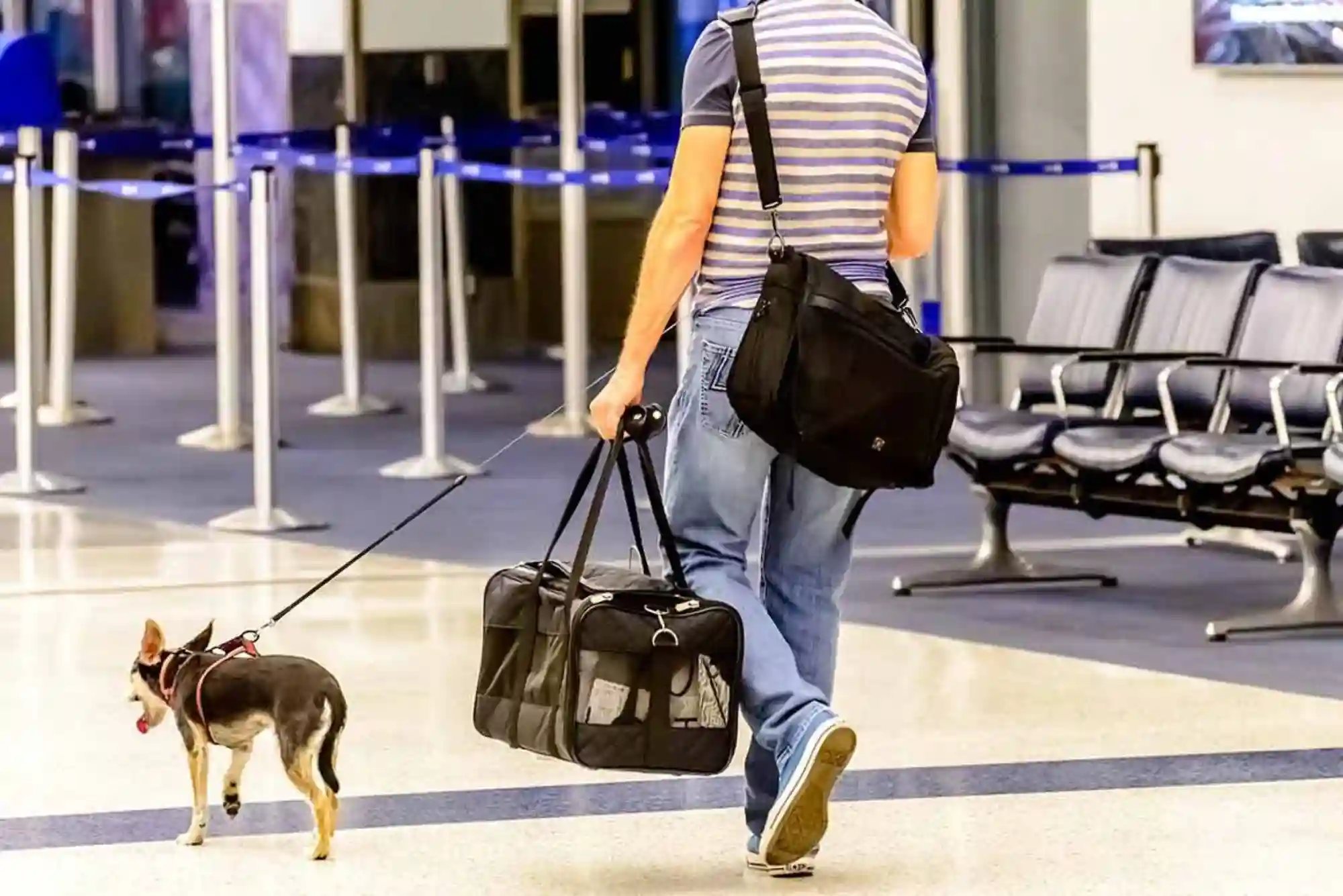
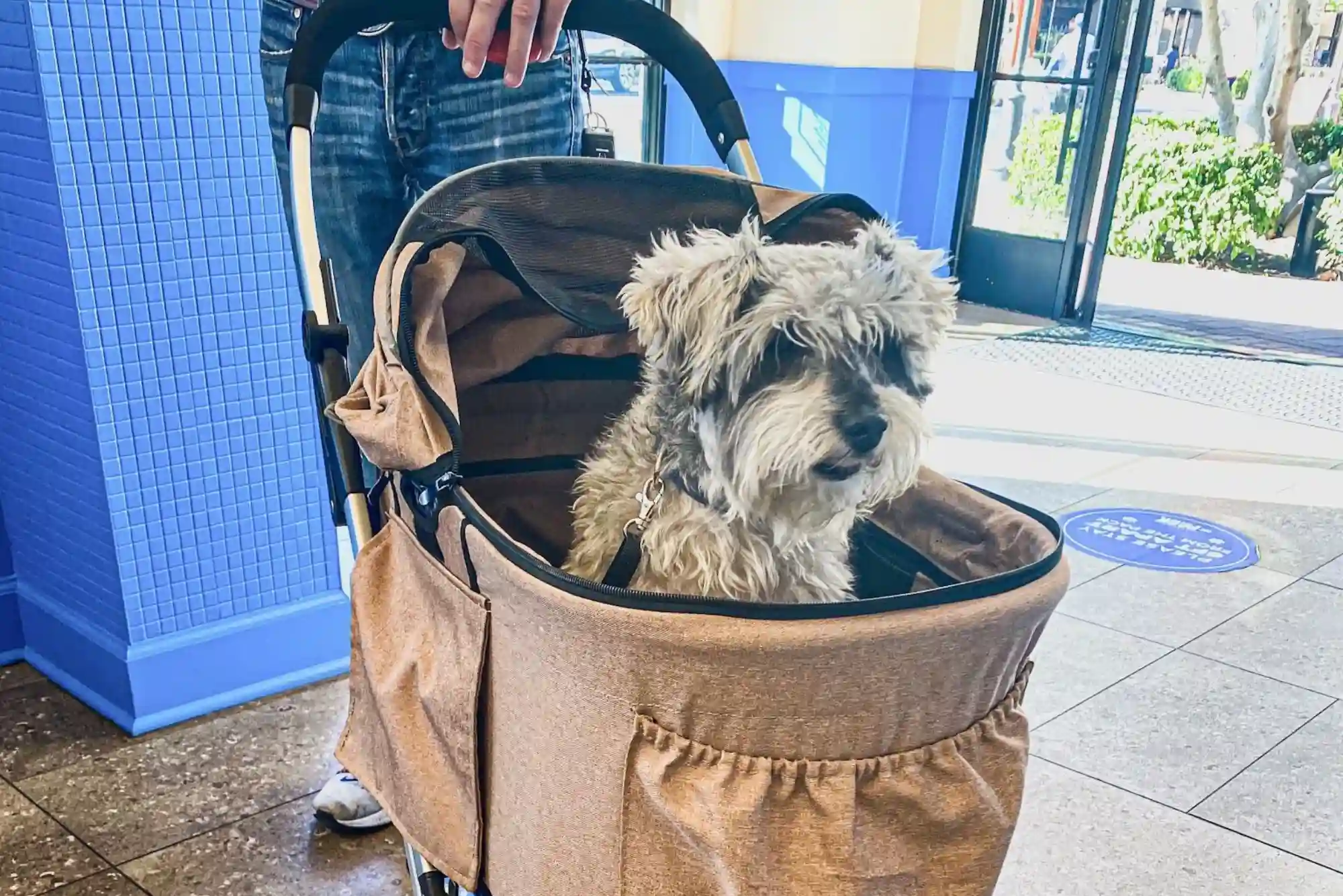
The pet must remain completely inside an approved carrier throughout the journey. Amtrak requires the carrier to be closed, leak-proof, and suitable for the animal. The maximum carrier dimensions are 19 by 14 by 10.5 inches.
The carrier must remain beneath the passenger’s seat. Pets cannot travel in food-service cars, First Class, Business Class, or bedroom accommodations. They also cannot travel as checked baggage or separately from their human companion.
For travelers researching Pet-Friendly Train Travel: Amtrak, Eurostar, and UK Rail Policies Explained, the Amtrak rules demonstrate why checking the exact train matters. A pet-friendly route does not necessarily mean every accommodation or service is pet-friendly.
Preparing a Dog or Cat for an Amtrak Journey
A train journey can be unfamiliar for a pet. Station noise, crowds, announcements, and movement may cause stress. Therefore, it helps to introduce your pet to the carrier before the travel date.
A familiar blanket can make the carrier feel more comfortable. Avoid feeding a large meal immediately before departure. Instead, follow your pet’s normal routine while allowing enough time for bathroom needs.
The animal must be at least eight weeks old and should be odorless, harmless, and non-disruptive during travel. Amtrak also requires the pet to remain inside the carrier without requiring attention during the journey.
Eurostar Pet Travel Rules
Eurostar has some of the most important route-specific restrictions in this comparison. Ordinary pets are not permitted on Eurostar trains to and from London. Pets are also restricted on certain Brussels-to-Lille services and specific seasonal routes.
However, Eurostar permits pets on eligible continental routes between Belgium, France, Germany, and the Netherlands. Small domestic animals weighing less than 6 kilograms can travel free when placed inside an appropriate carrier.
The carrier must not exceed 45 by 30 by 25 centimeters. Larger dogs that cannot travel inside a carrier can be accepted on eligible continental services under specific conditions. They require a dog fare and must remain on the passenger’s lap or on the floor.
Larger dogs must also be leashed and muzzled. Eurostar states that the Train Manager can move an animal and its owner if another passenger is uncomfortable.
This makes Pet-Friendly Train Travel: Amtrak, Eurostar, and UK Rail Policies Explained particularly relevant to travelers planning European rail journeys. The same pet may be accepted on a continental Eurostar service but not on a London route.
Eurostar and Assistance Animals
Assistance animals follow different rules from ordinary pets. Eurostar accepts guide and assistance dogs and assistance cats under specific conditions. Travelers going to or from London must contact Eurostar before traveling and arrange approval for the animal.
For international journeys involving the UK, documentation becomes particularly important. Requirements can include a microchip, valid rabies vaccination, an animal health certificate or qualifying pet passport, and other travel documentation.
Eurostar asks passengers traveling with an assistance animal to arrive at the station at least 60 minutes before departure. Staff need to complete the necessary checks before the animal can travel.
Emotional support animals should not automatically be treated as assistance animals. Eurostar advises passengers with emotional support animals to contact the company about their specific requirements.
UK Rail Pet Travel Rules
UK domestic rail travel is generally more accommodating for ordinary pets. National Rail says passengers can bring up to two pets without an additional charge. Dogs, cats, and other small animals can travel on trains, provided they follow the relevant conditions.
Dogs should remain on a lead, while cats and other suitable animals should remain in a pet carrier. Carriers should be rigid and closed to prevent escape. The animal should have enough room to stand and lie down comfortably.
Pets cannot occupy passenger seats. They must remain on the floor or in an appropriate carrier. This rule applies to both Standard and First Class travel.
National Rail also permits pets on sleeper services. However, dogs traveling on sleeper services may attract an additional cleaning charge. Pets are generally not permitted in restaurant cars, although assistance dogs are treated differently.
These rules make UK domestic rail useful for many pet owners. Still, individual train companies can have additional requirements. Checking the operator before departure is therefore important.
Assistance Dogs on UK Trains
Assistance dogs receive additional protections within the UK rail system. National Rail states that assistance dogs travel free and do not incur the cleaning charge that can apply to ordinary pets on certain sleeper services.
UK government guidance also confirms that rail companies operating within the UK must accept assistance dogs, although individual operators can apply additional conditions.
International travel is more complicated. Assistance dogs entering Great Britain must comply with applicable pet travel requirements. Approved routes, documentation, health requirements, and carrier procedures can all matter.
International Pet Travel to Great Britain
Travelers crossing an international border with a dog, cat, or ferret need to consider more than train rules. Great Britain’s pet travel requirements can apply when entering or returning to England, Scotland, or Wales.
Depending on the origin country, requirements may include microchipping, rabies vaccination, approved travel routes, and an animal health certificate or qualifying pet passport. Dogs traveling from many countries also need an appropriate tapeworm treatment within the required time window.
The route itself also matters. Great Britain requires pets arriving from abroad to use approved routes with authorized carriers, although certain travel origins have exceptions. Assistance dogs can have access to additional approved routes.
Because these rules can change, international pet owners should check government guidance shortly before departure. Veterinary documentation should also be prepared well in advance.
How to Make Train Travel Easier for Your Pet
Successful Pet-Friendly Train Travel: Amtrak, Eurostar, and UK Rail Policies Explained begins with preparation. First, confirm that your specific train accepts pets. Then check weight limits, carrier dimensions, fees, booking requirements, and route restrictions.
Next, help your pet become comfortable with the carrier. Short practice sessions can make a long journey less intimidating. A familiar blanket can also provide reassurance.
Before departure, give your pet an opportunity to exercise and use the bathroom. Keep water available without overfeeding immediately before boarding. Bring cleaning supplies in case an accident occurs.
During the journey, keep your pet calm and avoid opening the carrier unnecessarily. Follow crew instructions and remain considerate of nearby passengers. A calm animal makes the experience easier for everyone.
Frequently Asked Questions
Can I take my dog on Amtrak?
Yes. Amtrak allows dogs and cats on most eligible trains, subject to restrictions. The combined weight of the pet and carrier cannot exceed 20 pounds. Pet reservations are required, and most pet journeys are limited to seven hours.
Can I take a pet on Eurostar?
It depends on the route. Ordinary pets are not permitted on Eurostar trains to and from London. However, pets are permitted on eligible continental services between Belgium, France, Germany, and the Netherlands.
Are pets free on UK trains?
Up to two pets can generally travel free on National Rail services. Additional animals may involve a charge, depending on the train company. Pets must remain on a lead or inside an appropriate carrier.
Can dogs sit on train seats in the UK?
No. National Rail states that animals are not allowed on passenger seats. Dogs should remain on the floor while traveling, unless another specific arrangement applies for an assistance animal.
Can I take an assistance dog on a UK train?
Yes. UK rail companies must accept assistance dogs, although individual operators may have additional conditions. Assistance dogs travel free under the National Rail Assistance Dogs Travel Scheme.
Do I need documents to take my pet to Great Britain?
International travelers may need several documents and health checks. Requirements depend on the country of departure and the type of animal. Dogs may also require tapeworm treatment within a specified period before arrival.
Conclusion
Pet-Friendly Train Travel: Amtrak, Eurostar, and UK Rail Policies Explained shows that pet-friendly rail travel is possible, but the rules vary significantly. Amtrak focuses on small dogs and cats in carriers, while Eurostar applies strict route-based restrictions. UK domestic rail generally offers broader access for pets.