
Introduction
If you are researching How to Fly with an Emotional Support Animal (ESA) vs Psychiatric Service Dog (PSD), start by knowing that these animals do not have the same legal status. Airlines may treat ESAs as pets, while qualifying service dogs receive specific accommodations under applicable accessibility rules.
The most important step is checking the current airline requirements before traveling. Rules can also change depending on your destination and whether your trip is domestic or international.
Understanding ESA and PSD Travel Rules
An Emotional Support Animal provides comfort through its presence. However, an ESA is generally not considered a service animal under U.S. federal air-travel rules.
A Psychiatric Service Dog is different. A PSD is individually trained to perform tasks directly related to a person’s disability.
This distinction matters at the airport. It can affect documentation, cabin access, carrier requirements, and the way an airline processes your reservation.
What Is an Emotional Support Animal?
An ESA can provide emotional comfort or support. The animal does not necessarily need specialized task training.

In the United States, airlines generally do not have to provide ESAs with the same accommodations given to service dogs. Therefore, an airline may apply its standard pet-travel rules.
This can mean that your ESA must travel in an approved carrier. You may also have to pay a pet fee.
Because policies vary, always check your airline’s current pet policy before traveling.
What Is a Psychiatric Service Dog?
A Psychiatric Service Dog is trained to perform specific tasks for a person with a psychiatric disability.
Examples can include interrupting harmful behaviors, reminding a person to take medication, or performing trained responses during a psychiatric episode.
The key factor is task training. Emotional comfort alone does not make a dog a service animal.
Under U.S. Department of Transportation air-travel rules, a properly trained service dog may receive different treatment from an ESA or ordinary pet.
How to Fly with an Emotional Support Animal (ESA) vs Psychiatric Service Dog (PSD)
The first major difference concerns airline classification.
An ESA may need to follow the airline’s pet policy. A PSD may qualify as a service animal if it meets the applicable legal definition.
Therefore, passengers should not assume that an ESA letter automatically gives an animal service-dog privileges.
Before traveling, confirm the airline’s requirements in writing. Check rules for animal size, cabin travel, carriers, advance notice, and required forms.
For a PSD, airlines may require a U.S. DOT Service Animal Air Transportation Form. Longer flights may involve additional documentation related to the animal’s ability to relieve itself safely.
Requirements can differ outside the United States. International destinations may also require health certificates, vaccinations, microchips, import permits, or quarantine procedures.
Preparing an ESA for Air Travel
Travel preparation is especially important when an ESA must travel under an airline’s pet policy.
Start by checking whether the airline permits pets in the cabin. Some airlines limit the number of animals accepted on each flight.
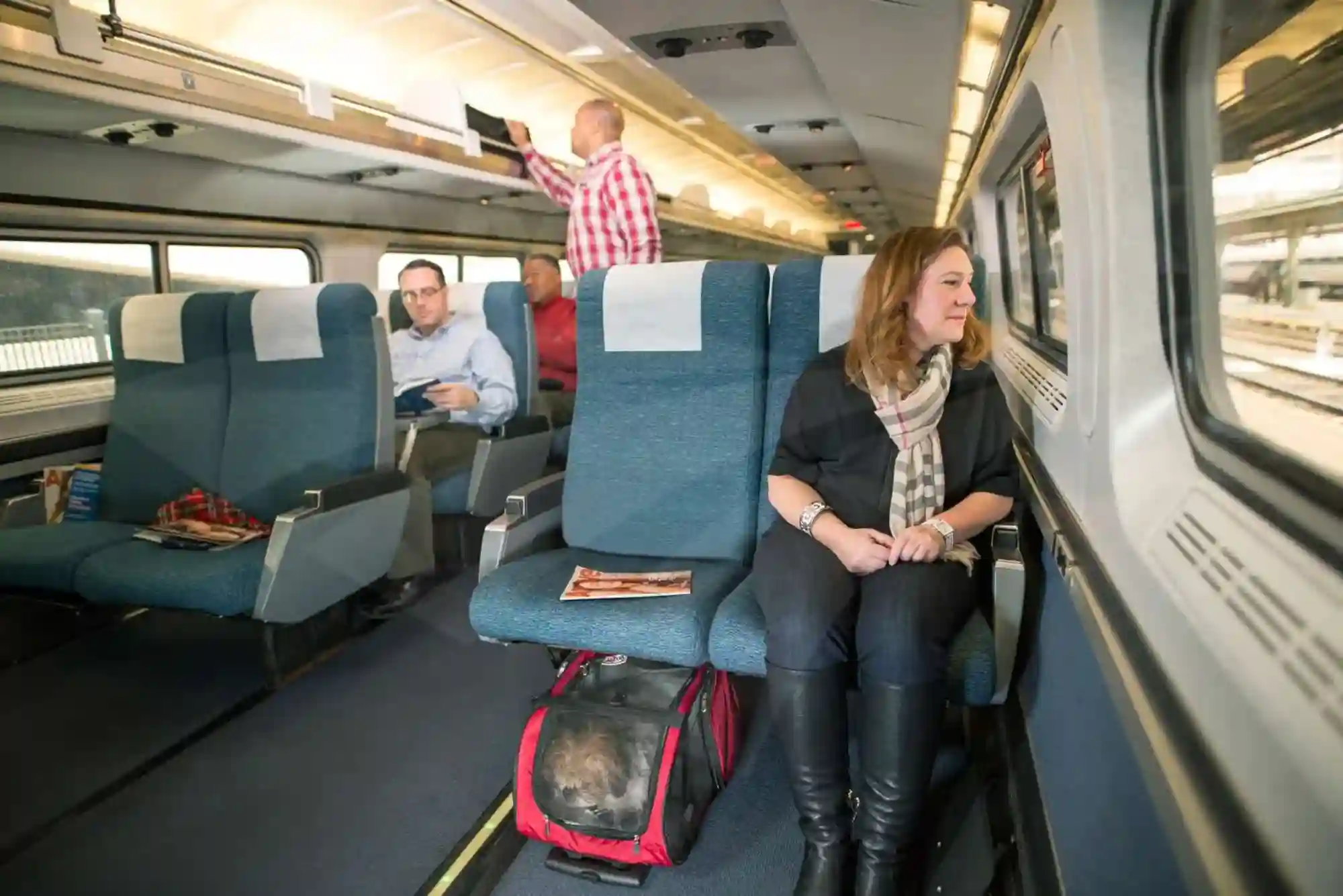
If cabin travel is permitted, your ESA may need to remain inside an airline-approved carrier. The carrier must generally fit within the airline’s under-seat requirements.
Choose the Right Carrier
Select a carrier that provides ventilation and enough space for comfortable positioning.
However, it must also meet the airline’s size restrictions. A carrier that works for one airline may not work for another.
Introduce your animal to the carrier before the trip. Gradual practice can make airport and aircraft travel less stressful.
Prepare Before Airport Day
Avoid introducing unfamiliar equipment immediately before your flight.
Instead, allow your animal to become comfortable with the carrier at home. Short practice sessions can help create familiarity.
Schedule bathroom breaks before entering security. Bring cleanup supplies, water, and any necessary comfort items.
Do not give sedatives unless a qualified veterinarian specifically recommends them.
Preparing a Psychiatric Service Dog for Air Travel
PSD preparation involves both practical planning and compliance with service-animal requirements.
Your dog should be comfortable working around crowds, airport announcements, security procedures, aircraft noise, and confined spaces.
A service dog should also remain under control throughout the journey.
Before your flight, review the airline’s service-animal procedures. Some airlines require passengers to submit documentation before traveling.
Complete Required Forms
For flights covered by U.S. DOT rules, airlines may use standardized service-animal forms.
These forms can address matters such as the dog’s training, health, behavior, and ability to perform its duties safely.
Submit required forms within the airline’s stated timeframe. Do not wait until arriving at the airport.
Keep copies of submitted documents with you. Digital copies can also provide useful backup.
What Happens at the Airport?
Airport procedures can differ depending on the animal’s classification.
An ESA traveling as a pet may need to follow the airline’s pet check-in process. A PSD may use the airline’s service-animal procedure.
At security, passengers should follow instructions from Transportation Security Administration personnel where applicable.
A service dog can generally accompany its handler through security screening. However, the dog may still need to undergo screening.
The safest approach is to arrive early. Additional time can help if documentation or screening takes longer than expected.
During the Flight
Once onboard, follow the airline’s instructions regarding your animal.
An ESA traveling as a pet will generally need to remain in its approved carrier if cabin pet rules apply.
A qualifying PSD generally has different cabin-access rights. The dog should remain under control and should not obstruct aisles or emergency areas.
Keep your dog’s essentials accessible. Useful items can include a small amount of food, water, waste bags, medication if prescribed for the animal, and cleaning supplies.
Avoid feeding a large meal immediately before departure. A familiar feeding routine can help reduce digestive problems.
ESA vs PSD: The Main Differences
The biggest difference is the animal’s function and legal classification.
An ESA primarily provides emotional support through companionship. A PSD is trained to perform disability-related tasks.
That distinction affects air travel.
An ESA may be subject to an airline’s pet policies, including carrier and fee requirements. A qualifying PSD may receive service-animal accommodations under applicable regulations.
Another difference is documentation.
An ESA letter or professional recommendation does not automatically convert an ESA into a service animal. Similarly, purchasing a service-dog certificate does not create service-animal status.
Passengers should focus on the animal’s actual training and applicable legal requirements.
Common Mistakes to Avoid
One common mistake is assuming that every airline follows identical rules.
They do not. Airlines can have different procedures, advance-notice requirements, and restrictions.
Another mistake is confusing an ESA with a psychiatric service dog.
The terms describe different roles. A dog trained only to provide comfort is not automatically a PSD.
Passengers should also avoid relying on outdated internet forms.
Always obtain required documents directly from the airline or the relevant government authority.
Finally, do not wait until the day of departure to discover international entry requirements.
International pet travel can involve several government agencies. Start researching those requirements well before your departure date.
Flying Internationally With an ESA or PSD
International travel requires additional planning.
Your destination country may have rules covering vaccination, identification, health certificates, parasite treatment, import permits, and quarantine.
Some countries also have strict procedures for assistance animals.
Airline approval does not necessarily mean that your destination country will permit entry without additional paperwork.
Therefore, research both sides of the journey. Check the departure country’s requirements and the destination country’s import regulations.
Allow extra time for veterinary appointments and government paperwork.
If your trip involves multiple countries, check the requirements for every country where you enter or transfer.
How to Make Air Travel Easier for Your Animal
Preparation can make a significant difference.
Visit the airport before your actual travel date if practical. This can help your animal become familiar with the environment.
Practice calm behavior around luggage, crowds, elevators, and unusual sounds.
Maintain familiar routines whenever possible.
For a PSD, continue reinforcing trained tasks and public-access behavior. For an ESA traveling as a pet, focus on carrier comfort and calm handling.
Pack familiar items when airline rules permit them. A familiar blanket or small comfort item may help your animal settle.
Always prioritize safety over convenience.
Frequently Asked Questions
Can I take my emotional support animal on a plane?
Possibly, depending on the airline’s current pet policy and the animal’s eligibility for cabin travel. ESAs generally do not receive the same federal air-travel treatment as service dogs in the United States.
Do airlines still recognize emotional support animals?
Airlines may allow ESAs to travel under their pet policies. However, U.S. federal air-travel rules do not require airlines to treat emotional support animals as service animals.
What qualifies a dog as a psychiatric service dog?
A psychiatric service dog must be individually trained to perform tasks directly related to a person’s disability. Comfort alone is not sufficient.
Do psychiatric service dogs fly for free?
Qualifying service dogs generally receive different treatment from pets under U.S. air-travel rules. However, passengers should confirm the airline’s current procedures and documentation requirements.
Does an ESA letter make my dog a service dog?
No. An ESA letter does not automatically establish service-animal status. The relevant legal definition and the dog’s actual task training matter.
Can my service dog sit on my lap during a flight?
Policies and safety requirements can affect how a service dog is positioned. The dog generally must not obstruct an aisle or emergency area.
Do I need paperwork for a psychiatric service dog?
You may need specific airline forms, depending on the flight and applicable rules. Check the airline’s current requirements before departure.
Can I travel internationally with a psychiatric service dog?
International travel may be possible, but destination-country requirements can be extensive. Check both airline rules and the destination’s animal-import regulations.
Final Thoughts
Knowing How to Fly with an Emotional Support Animal (ESA) vs Psychiatric Service Dog (PSD) can prevent confusion before your trip.
The most important distinction is classification. An ESA generally travels according to pet policies, while a qualifying PSD can receive service-animal accommodations.
Before booking, review the airline’s latest rules. Confirm documentation requirements and understand your destination’s entry regulations.