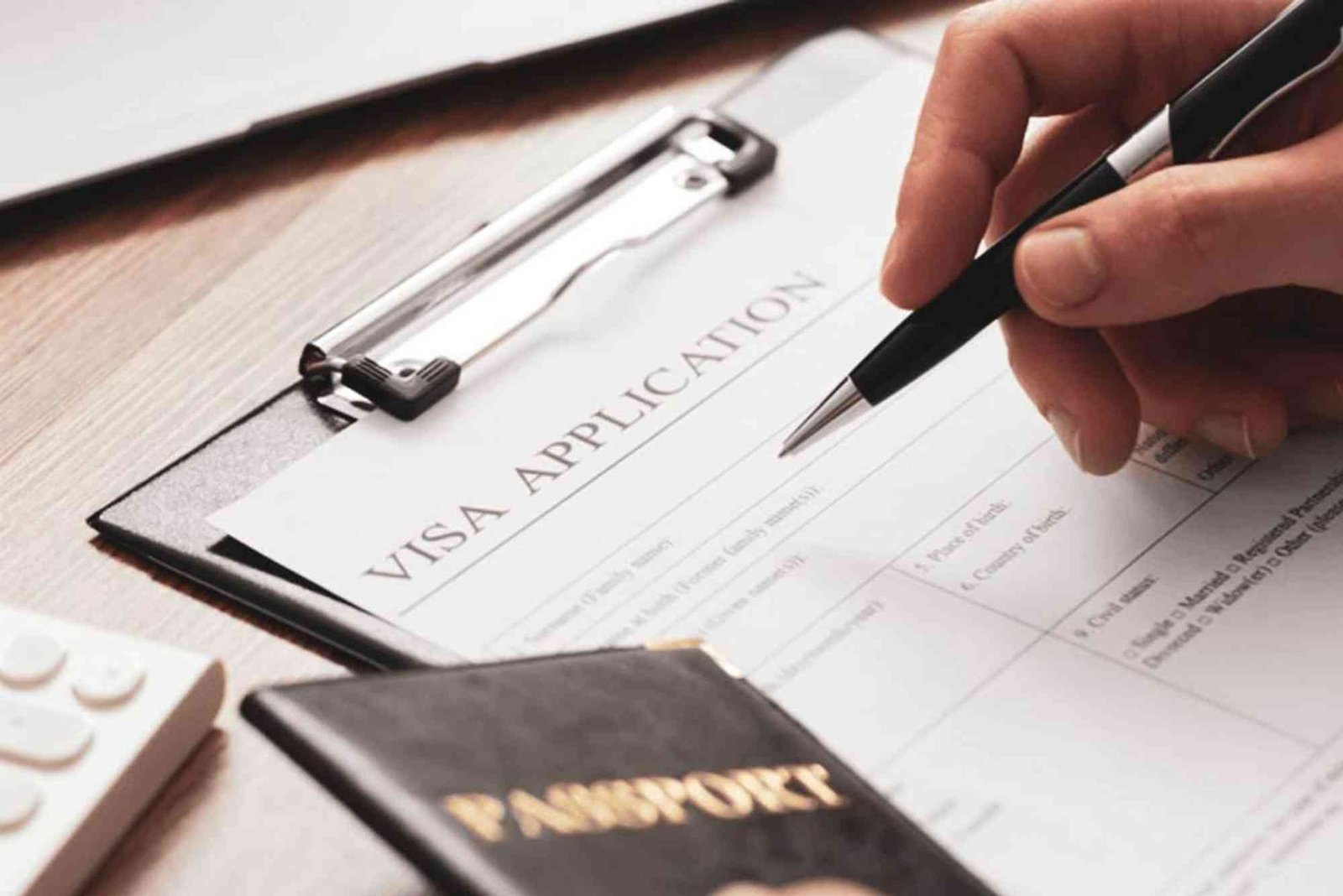

Millions of people around the world discover the real cost of international travel not at the airport, but weeks earlier — when they open a government website and realise the visa fee is just one of four or five charges stacked between them and their destination. The advertised government fee for a visa is typically the floor, not the ceiling. Service charges at application centres, courier fees, translation costs, and optional express processing can push the total well above what any headline figure suggests. This guide breaks down the price of visa applications in 2026 across the world’s most-requested categories — tourist, Schengen, UK, US, and more — so you can build an accurate travel budget from the very first line.
Why Visa Prices Vary So Widely in 2026
The price of a visa is not a single number. It is a product of at least three independent variables: the issuing country’s government fee schedule, the applicant’s nationality (since many countries charge reciprocal or differential fees), and the local service infrastructure through which the application is submitted.
In 2026, several major destination countries have revised their fee schedules upward — the European Union implemented a Schengen visa fee increase in 2024 that continues to apply, and the United Kingdom has increased its visa application charges multiple times since 2023. Meanwhile, some destinations in Southeast Asia have maintained flat fees for years, making them comparatively affordable for visa-required travellers from South Asia, Africa, and the Middle East.
Understanding this structure — government fee, service centre charge, optional costs — is the foundation of accurate visa budgeting. The sections below break it down category by category.
The Three-Layer Cost Structure of Any Visa Application
Regardless of the destination country, nearly every visa application involves the same basic cost architecture:

- Layer 1 — Government Visa Fee: Set by the destination country’s Ministry of Foreign Affairs or equivalent authority. This is the official fee for processing your visa application. It is non-refundable in almost all cases, whether your application is approved or refused.
- Layer 2 — Visa Application Centre (VAC) Service Charge: Most major embassies now outsource their application reception to commercial operators (VFS Global, TLS Contact, BLS International are the most common). These companies charge their own service fee on top of the government fee, ranging from USD 10 to USD 50 depending on the destination and location.
- Layer 3 — Optional and Ancillary Costs: Passport photo fees, courier/postal return of your passport, document translation and notarisation, express processing premiums, and premium lounge or appointment booking fees. These are individually small but collectively significant.
Schengen Visa Price in 2026
The Schengen visa — which grants access to 27 European countries on a single application — is among the most applied-for visas in the world. Following the fee revision implemented by the European Union, the current standard rates are as follows:
| Applicant Category | Standard Fee (EUR) | Approximate USD Equivalent |
|---|---|---|
| Adults (general) | EUR 90 | ~USD 97–100 |
| Children aged 6–11 | EUR 45 | ~USD 48–50 |
| Children under 6 | Free | Free |
| Certain nationalities (reduced rate agreements) | EUR 45 or Free | ~USD 48–50 or Free |
On top of the EUR 90 government fee, VAC service charges typically add EUR 15–30 (approximately USD 16–32), depending on the processing country. Total all-in cost for a Schengen visa application in 2026 commonly runs between USD 115 and USD 140 for an adult, excluding photos and courier fees.
One important nuance: the Schengen visa fee is paid to the embassy of whichever Schengen country is your primary destination or point of entry. The fee is the same across all 27 member states, but VAC service charges vary by country of application.
UK Visa Price in 2026
The United Kingdom operates one of the more complex and frequently updated visa fee structures in the world. UK visa fees are denominated in GBP and set by the Home Office, with the most recent increases applying from early 2024 onwards and remaining in effect through 2026.
| Visa Category | Fee (GBP) | Approx. USD | Notes |
|---|---|---|---|
| Standard Visitor Visa (up to 6 months) | GBP 115 | ~USD 146 | Most common tourist/visitor category |
| Standard Visitor Visa (2 years, multiple entry) | GBP 432 | ~USD 549 | Best value for frequent UK visitors |
| Standard Visitor Visa (5 years, multiple entry) | GBP 771 | ~USD 980 | Significant upfront cost; pays off over time |
| Standard Visitor Visa (10 years, multiple entry) | GBP 963 | ~USD 1,223 | Long-term value for regular travellers |
UK visa applications are submitted through VFS Global in most countries, with a service charge that varies by location — typically GBP 20–55 (USD 25–70). The UK also charges an Immigration Health Surcharge for longer visas, but this does not apply to Standard Visitor Visas. There is no express processing option for visitor visas through normal channels; the standard processing time of approximately 3 weeks is the baseline.
US Visa Price in 2026
The United States charges a non-immigrant visa application fee — known as the MRV fee — for all applicants who are not visa-exempt under the Visa Waiver Program (ESTA). The MRV fee must be paid before an interview appointment can be booked and is non-refundable regardless of the outcome.
| Visa Category | Fee (USD) | Notes |
|---|---|---|
| B1/B2 Tourist and Business Visitor | USD 185 | Most common category for leisure travellers |
| F, M, J Student and Exchange Visitor | USD 185 | SEVIS fee (USD 350) paid separately |
| H, L, O, P, Q Work Visas | USD 205 | Petition fee paid by employer; additional costs apply |
| E Treaty Trader / Investor | USD 315 | Separate from employer petition costs |
The US MRV fee is just the starting point. A reciprocity fee applies additionally to applicants from certain countries — this is a separate charge based on what the US applicant’s country charges US citizens for equivalent visa categories. Reciprocity fees can range from USD 0 to several hundred dollars and must be confirmed for your specific nationality on the US Department of State website. The total realistic cost of a US B1/B2 visa from a South Asian or African country — including the MRV fee, reciprocity fee (if any), and VAC service charge — can run from USD 185 to USD 350 or more.
ESTA — the electronic pre-travel authorisation for visa-waiver countries — costs USD 21 per application and is valid for two years or until passport expiry, whichever comes first.
Tourist Visa Prices for Popular Destinations in 2026
Beyond the major Western destination blocs, several high-demand travel destinations have their own distinct visa fee structures. The table below provides a reference for travellers from non-exempt countries.
| Destination | Visa Type | Government Fee (Approx. USD) | Stay Permitted |
|---|---|---|---|
| South Korea | C-3 Tourist (Single Entry) | USD 44–48 | Up to 90 days |
| Thailand | TR Tourist (Single Entry) | USD 28–40 | Up to 60 days |
| Japan | Temporary Visitor (Single Entry) | USD 13–17 | Up to 90 days |
| Malaysia | eVISA (Single Entry) | USD 15–25 | Up to 30 days |
| UAE (Dubai) | Tourist Visa 30-day | USD 90–120 | 30 days |
| Turkey | e-Visa | USD 50–100 (varies by nationality) | 30–90 days |
| India | e-Tourist Visa | USD 25–80 (varies by nationality) | 30–180 days |
| Australia | Visitor Visa (subclass 600) | AUD 190 (~USD 122) | Up to 12 months (3-month stay) |
All figures are approximate government fees only. Total all-in cost — including service charges, courier fees, and photos — varies by country of application. Always verify current fees on the official embassy website before submitting your application.
How VAC Service Charges Add to the Real Visa Price
Visa Application Centres have become the primary submission channel for most major visa categories globally. VFS Global alone operates in over 140 countries and processes applications for more than 60 governments. TLS Contact handles Schengen applications from France and several other EU member states, while BLS International serves several South Asian and African markets.
These centres charge service fees that are separate from and in addition to the government visa fee. Typical VAC service charges in 2026 range from:
- USD 12–18 for simpler destination visa applications (Japan, Malaysia)
- USD 20–35 for Schengen applications processed via VFS or TLS
- USD 25–55 for UK visa applications through VFS
- USD 15–30 for US visa applications processed through designated collection centres
Some VAC operators offer additional premium services — priority queuing, document scanning, photo capture, form-checking — each carrying its own optional fee. These can add USD 10–40 to an application that is otherwise straightforward to prepare at home.
Hidden Costs That Most Travellers Overlook
The headline visa fee and VAC service charge are the visible costs. Several others frequently appear only once the application process is underway — and by then, the traveller has already committed to the process.
Document translation and notarisation. If your bank statements, employment letters, or other supporting documents are not in English (or the official language of the destination country), certified translations are usually required. Translation agencies charge USD 20–100 per document depending on language pair and turnaround time, and notarisation of translated documents can add another USD 20–50.
Courier and passport return fees. Many applicants prefer not to collect their passport in person — particularly if the VAC is in a different city. Courier return of a passport typically costs USD 10–25 per shipment, and the fee is charged whether the visa is granted or refused.
Failed application resubmission. Because government visa fees are non-refundable in virtually all cases, a refused application means paying the full government fee again. For Schengen applications this is EUR 90 per attempt; for UK applications, GBP 115. Investing in application quality upfront is a direct financial decision, not merely a procedural one.
Reciprocity and issuance fees. Some countries charge an issuance fee after a visa is approved — separate from the application fee. The US reciprocity fee system is the most widely known example, but similar mechanisms exist in other markets. Always check whether an additional post-approval charge applies before calculating your total cost.
For travellers who are managing costs across multiple legs of a trip — including accommodation and day-to-day spending — reviewing destination-specific hotel cost benchmarks early is equally worthwhile. The hotel prices section on Tripcreamy provides useful reference points for popular destinations.
Visa Costs for Families: Calculating the Full Budget
Every traveller — including children — requires their own visa application and pays the applicable government fee separately. There is no family visa product for standard tourist or visitor categories in most destination countries. For a family of four applying for Schengen visas, the government fee alone reaches EUR 360 (two adults at EUR 90 each, two children aged 6–11 at EUR 45 each), before any service charges are added.
The table below illustrates the scale of visa costs for a family of four across several destination categories.
| Destination | Per Adult (Govt. Fee) | Per Child (Govt. Fee) | Family Total (Govt. Fees Only) | Estimated All-In |
|---|---|---|---|---|
| Schengen Zone | EUR 90 | EUR 45 | EUR 270 | USD 340–420 |
| United Kingdom (6-month) | GBP 115 | GBP 115 | GBP 460 | USD 620–720 |
| United States (B1/B2) | USD 185 | USD 185 | USD 740 | USD 900–1,100+ |
| South Korea (C-3 Single) | ~USD 46 | ~USD 46 | ~USD 184 | USD 260–340 |
| Thailand (TR Single) | ~USD 35 | ~USD 35 | ~USD 140 | USD 200–280 |
These figures make a clear case for choosing destinations thoughtfully when budget is a constraint, and for applying for the correct visa category on the first attempt.
Visa Prices by Nationality: Why Your Passport Matters
The same visa to the same country does not always cost the same amount for every applicant. Reciprocal fee arrangements mean that if Country A charges USD 100 for a visa for Country B’s citizens, Country B may charge Country A’s citizens a similar amount — regardless of what the standard rate is for other nationalities.
This creates a situation where two travellers sitting side by side on the same flight — one holding a European passport, one a Pakistani passport — may have paid very different amounts for their US or Australian visas. Checking your nationality’s specific reciprocity fee is a non-optional step before budgeting any major visa application.
Travellers from South Asian countries — Pakistan, Bangladesh, India, Nepal, Sri Lanka — face the most frequent visa requirements globally and often the highest all-in costs relative to income levels. For many, the visa fee alone represents a significant proportion of a month’s salary, making accurate cost information at the planning stage critically important.
e-Visa and Online Visa Costs: Are They Cheaper?
An increasing number of countries now offer electronic visa (e-Visa) or electronic travel authorisation (ETA/ESTA) systems that allow applications entirely online, without visiting a physical application centre. These are often faster, more convenient, and — importantly — sometimes cheaper, since the VAC service charge is eliminated.
However, online portals may add their own processing fee. The US ESTA costs USD 21. The Korean K-ETA costs approximately USD 7–8. India’s e-tourist visa ranges from USD 25 to USD 80 depending on nationality and duration. Turkey’s e-Visa varies by nationality but is typically USD 50–100.
The key advantage of e-Visa systems is speed and predictability: most process within 24–72 hours, the cost is transparent at checkout, and no passport surrender is required. The limitation is that not all nationalities are eligible for e-Visa routes, and some countries still require in-person applications for certain passport types regardless of the e-Visa system’s existence.
For travellers planning Southeast Asia itineraries that might include Malaysia — a destination with both visa-free access for many nationalities and an e-Visa option for others — the Malaysia travel section provides helpful entry and destination context.
When Is a Visa Fee Refundable?
The short answer, in most cases, is never. Government visa fees are explicitly stated as non-refundable in the terms of virtually every major destination country’s visa application system. This applies whether the application is refused, withdrawn, or abandoned — and whether the refusal was based on documentation quality, financial insufficiency, travel history, or any other reason.
A small number of exceptions exist: some countries refund the fee if the embassy itself is unable to process the application within a stated timeframe, or if the applicant withdraws before processing formally begins. These exceptions are narrow, rarely advertised, and should not be relied upon when planning.
The practical implication is that the cost of a refusal extends beyond the refunded fee — it includes the time cost, the service charge (also non-refundable), any translation and notarisation fees, and the cost of the follow-up application. A GBP 115 UK visa refusal, resubmitted with correct documentation, costs GBP 230 in government fees alone across the two attempts.
Avoiding the Most Expensive Visa Mistakes in 2026
The price of a visa is fixed by governments and application centres. What is variable — and entirely within the applicant’s control — is how many times they pay it.
Not verifying the current fee before applying. Visa fees are updated regularly, and third-party websites (including travel blogs and agents) often carry outdated figures. Always check the fee directly on the official embassy website or VAC portal before initiating payment.
Applying for the wrong visa category. A tourist visa used for activities that legally require a business visa, or a single-entry visa used for a trip requiring re-entry, creates problems on arrival. Applying for the correct category from the start is cheaper than the complications of the alternative.
Submitting an incomplete application. Missing documents, unsigned forms, or photos that do not meet technical specifications are the most common causes of same-day rejection or delays that require a second appointment — with its associated costs and time loss.
Ignoring processing times. Applying too close to your travel date forces you into optional express processing — where it exists — or into changing flight and hotel bookings. Both scenarios cost more than a timely standard application.
Travellers who are visiting destinations like Thailand and planning their itinerary carefully will find that understanding visa costs in advance is one part of a broader trip-planning exercise. The Thailand destination guide on Tripcreamy covers what to expect on the ground once the visa paperwork is behind you.
Visa Price vs. Total Trip Cost: Keeping It in Perspective
For destinations that require a visa, the application cost is a meaningful but typically modest fraction of total trip expenditure. A USD 100 Schengen visa fee for a two-week European holiday where flights cost USD 800–1,200 and accommodation runs USD 80–150 per night represents roughly 5–8% of total trip cost — significant but manageable when planned for.
Where the visa fee becomes disproportionately impactful is for short trips, for applicants from countries with high reciprocity fees, or for family groups where multiplying the fee across four or five applicants changes the financial calculus of the trip entirely. In these cases, choosing destinations with more accessible visa frameworks — whether through e-Visa availability, lower government fees, or visa-exemption agreements — is a legitimate and financially rational planning decision.
Shopping costs, dining, local transport, and sightseeing add up quickly once you arrive — and budgeting for those elements is just as important as accounting for the visa itself. The shopping prices guide on Tripcreamy is a practical resource for travellers who want to set realistic daily spending expectations across different destinations.
Frequently Asked Questions
How much does a visa cost in 2026?
It depends heavily on the destination and your nationality. Tourist visas for popular destinations range from approximately USD 15 (Malaysia e-Visa) to USD 185 (US B1/B2). Schengen visas cost EUR 90 for adults; UK Standard Visitor visas cost GBP 115. Adding VAC service charges, the realistic all-in cost typically runs 20–40% above the headline government fee.
Are visa fees refundable if refused?
In virtually all cases, no. Government visa application fees are explicitly non-refundable once processing begins, regardless of the outcome. Some VAC service charges are similarly non-refundable. This makes application quality — thorough, accurate, complete documentation — a direct financial priority.
What is a VAC service charge and do I have to pay it?
A VAC (Visa Application Centre) service charge is a fee charged by the commercial operator that processes your physical application on behalf of the embassy. Most major destination countries use outsourced VAC operators (VFS Global, TLS Contact, BLS International). The charge is mandatory if you submit through their centres. Some embassies still accept direct applications, which bypass the service charge — but appointment availability at embassies is often very limited.
Is an e-Visa cheaper than a regular visa?
Often yes, because the VAC service charge is eliminated. The government fee itself is usually the same or similar. However, some e-Visa portals add their own online processing fee. The main advantage of e-Visa systems is speed and convenience, not always cost.
Does visa cost change based on nationality?
Yes, for certain destinations. The US, Australia, and some other countries apply reciprocal fee arrangements, meaning the visa cost for your nationality may differ from the standard rate based on what your country charges their citizens. Always check the specific fee for your passport on the official embassy or consulate website.
Can I reduce my total visa cost?
You can reduce the ancillary costs by preparing your own photos (within specification), collecting your passport in person rather than paying for courier return, and applying during off-peak periods when VAC appointments are easier to obtain without premium booking fees. The government fee itself cannot be negotiated or reduced except through eligibility for reduced-rate categories.
Conclusion: Plan for the Real Price of a Visa, Not Just the Headline Fee
The price of a visa in 2026 is always more than the government fee printed on an embassy website. Between VAC service charges, optional courier and photo costs, potential translation requirements, and the ever-present risk of a non-refundable refusal, a realistic visa budget runs 30–60% above the headline figure in most cases. For families, the multiplier effect across several applicants can make the visa line item a genuinely major trip expense.
The best approach is to research thoroughly, apply early, and treat document preparation as seriously as flight booking. A well-prepared application approved on the first attempt is always the cheapest outcome — regardless of the destination. For everything that comes after the visa approval, the travel tips and tricks section on Tripcreamy covers how to make the most of your trip once the paperwork is behind you.
Related Reading: Gcc Grand Tours Visa Price in 2026: Latest Fees, Cost & Charges